
Book in short
Pride and Prejudice summary
This Pride and Prejudice summary tells Jane Austen’s best-loved novel in a few minutes. A clever young woman and a proud rich man dislike each other at first sight. Both are wrong about each other, and both must change before they can be happy.
- Author
- Jane Austen
- First published
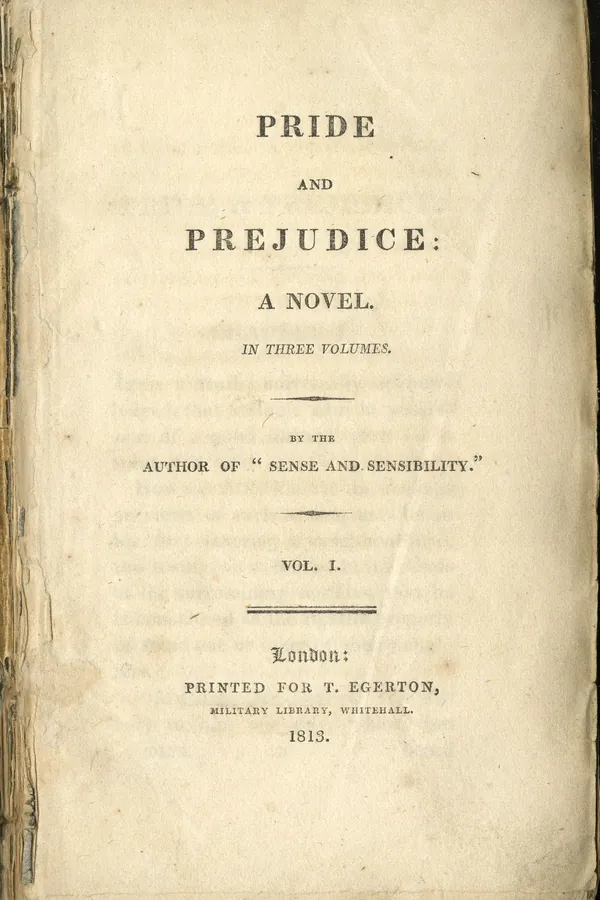
- First published in London on 28 January 1813 by Thomas Egerton. Austen’s working title was First Impressions.
- Length
- 61 chapters
- Type
- Romantic comedy, novel of manners
- Read the book free
- Project Gutenberg eBook #1342 (public domain in the US)
- This summary
- Story in about 2 minutes
The story in short
The Bennet family lives at Longbourn, a country house in Hertfordshire. Mr and Mrs Bennet have five daughters and no son. By law, the house will pass to a male cousin, Mr Collins, when Mr Bennet dies. So Mrs Bennet has one goal: to see her girls married well.
A rich young man, Mr Bingley, rents the nearby estate of Netherfield. He is friendly and soon falls for Jane, the eldest Bennet sister. His friend Mr Darcy is even richer, but he is cold and proud. At a ball he refuses to dance with Elizabeth, the second sister, and she hears him say she is not handsome enough to tempt him. Elizabeth laughs about it, but she does not forget.
A charming officer, Mr Wickham, then tells Elizabeth that Darcy treated him cruelly and cheated him out of his future. Elizabeth believes him at once, because it fits what she already thinks of Darcy.
Mr Collins visits and proposes to Elizabeth. She turns him down, so he marries her practical friend Charlotte Lucas instead. Meanwhile Bingley leaves for London without a word, and Jane is quietly heartbroken.
When Elizabeth visits Charlotte in Kent, she meets Darcy again at the grand house of his aunt, Lady Catherine de Bourgh. To her shock, Darcy proposes. He says he loves her against his own judgement, because her family is beneath his. Elizabeth refuses him. She blames him for separating Jane and Bingley, and for ruining Wickham.
The next day Darcy gives her a letter. It explains that Wickham once tried to run away with Darcy’s fifteen-year-old sister, Georgiana, to get her fortune. It also says Darcy truly believed Jane did not care for Bingley. Elizabeth reads the letter again and again, and sees how quick and unfair she has been. “Till this moment, I never knew myself,” she says.
Months later, on a trip with her kind aunt and uncle, the Gardiners, Elizabeth tours Pemberley, Darcy’s estate in Derbyshire. Darcy arrives unexpectedly. He is polite, warm and changed. Then terrible news comes: her youngest sister, Lydia, has run off with Wickham. An unmarried couple living together would shame the whole family.
Darcy secretly finds the couple in London and pays Wickham to marry Lydia. Elizabeth only learns this by accident. Bingley returns to Netherfield and proposes to Jane, who accepts. Lady Catherine storms into Longbourn and orders Elizabeth never to marry Darcy. Elizabeth refuses to promise anything. Darcy hears of it, takes hope, and proposes again. This time Elizabeth says yes.
Spoiler note: this summary tells the whole story, including the ending.
Main characters
- Elizabeth Bennet: The second Bennet daughter: quick, funny and sure of her own judgement, until she learns that it can be wrong.
- Fitzwilliam Darcy: A very rich landowner whose pride makes him seem rude. He is honest and generous once you know him.
- Jane Bennet: The eldest sister, gentle and kind, who always thinks the best of people.
- Charles Bingley: Darcy’s cheerful friend, who loves Jane but is easily guided by others.
- Mr and Mrs Bennet: A clever, lazy father who mocks his family, and a nervous mother who thinks only of marriages.
- Lydia Bennet: The youngest sister, loud and careless, whose elopement nearly ruins the family.
- George Wickham: A handsome officer who charms everyone and tells convenient lies.
- Mr Collins: A silly, self-important clergyman who will inherit Longbourn.
- Lady Catherine de Bourgh: Darcy’s bossy aunt, who expects everyone to obey her.
Themes
- Love: Love grows slowly here, from respect and honesty, not from first sight.
- Social class: Money and rank shape who may marry whom, and Austen shows how silly snobbery can be.
- Family: Each Bennet daughter is helped or harmed by her parents’ choices.
- Pride and prejudice: both Darcy and Elizabeth judge too fast, and both must learn to see clearly.
Key lessons from Pride and Prejudice
- First impressions can be wrongElizabeth judges Darcy on one rude remark and believes Wickham because he is charming. Take time before you decide who someone is.
- Admitting a mistake is a strengthDarcy’s letter forces Elizabeth to face her own errors. She does not make excuses; she changes.
- Real kindness is often quietDarcy helps Lydia without wanting thanks. Good people do good things even when no one is watching.
- Marry for respect, not only moneyCharlotte marries for security, Lydia for excitement. Jane and Elizabeth marry men they respect, and they are the happy ones.
- Pride and fairness can live togetherElizabeth keeps her self-respect when Lady Catherine bullies her. You can be polite and still say no.
Who should read it?
- Readers new to the classics: the plot is clear and the dialogue is funny.
- Anyone who enjoys romantic comedies with sharp conversation.
- Students who want to see how a love story can also comment on money and class.
Quotes from Pride and Prejudice
Copied word for word from the public-domain text on Project Gutenberg, with the chapter each line comes from.
It is a truth universally acknowledged, that a single man in possession of a good fortune must be in want of a wife.
Pride and Prejudice, Chapter 1I could easily forgive his pride, if he had not mortified mine.
Pride and Prejudice, Chapter 5You must allow me to tell you how ardently I admire and love you.
Pride and Prejudice, Chapter 34Till this moment, I never knew myself.
Pride and Prejudice, Chapter 36I have been a selfish being all my life, in practice, though not in principle.
Pride and Prejudice, Chapter 58
If you liked it, read these next
- Jane EyreAnother clever heroine who will not marry without love and respect.
- Little WomenSisters, money worries and very different marriages.
- Great ExpectationsA sharper look at class, snobbery and learning who people really are.
- Wuthering HeightsThe dark, stormy opposite of Austen’s calm drawing rooms.
Frequently asked questions
What is Pride and Prejudice about in one sentence?
It is about Elizabeth Bennet and Mr Darcy, who dislike each other at first because of his pride and her quick judgement, and who fall in love once they understand each other and themselves.
How does Pride and Prejudice end?
Jane marries Mr Bingley, and Elizabeth accepts Mr Darcy’s second proposal. Lydia is married to Wickham, thanks to money Darcy paid in secret.
Is Pride and Prejudice hard to read?
The sentences are longer than in modern novels, but the story is easy to follow and often funny. Many readers find it gets easier after the first few chapters.
Is Pride and Prejudice in the public domain?
Yes. It was published in 1813, so it is in the public domain in the United States and the UK, and the full text is free on Project Gutenberg.
Explore more
- Jane Austen1775 to 1817
- Classic books about loveTheme
- Classic books about social classTheme
- Classic books about familyTheme
- Famous book quotesExact quotes from classic novels
- Life lessons from famous booksWhat the classics teach
- Classic books to readA starter list
Sources
- Project Gutenberg eBook #1342: full text of Pride and Prejudice (plot and every quote checked against it)
- Wikipedia: Pride and Prejudice (publication facts)
Checked for this page before publishing. Found a mistake? Tell us.
Published 2026-10-27. Last checked 2026-10-27.