
Book in short
Jane Eyre summary
This Jane Eyre summary follows Charlotte Brontë’s orphan heroine from an unloved childhood to an equal marriage. Jane is poor and plain, but she never gives up her right to be treated as a full person.
- Author
- Charlotte Brontë
- First published
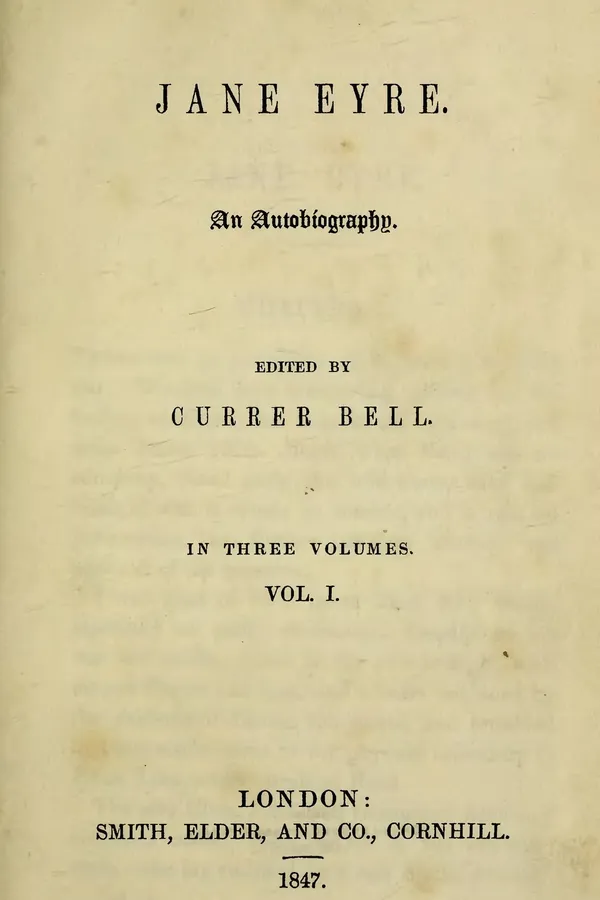
- First published in London on 19 October 1847 by Smith, Elder and Co., under the pen name Currer Bell.
- Length
- 38 chapters
- Type
- Gothic romance, coming-of-age novel
- Read the book free
- Project Gutenberg eBook #1260 (public domain in the US)
- This summary
- Story in about 2 minutes
The story in short
Jane Eyre is an orphan raised by her aunt, Mrs Reed, at Gateshead Hall. Her aunt and cousins treat her coldly. After Jane fights back against her bullying cousin, she is locked in the “red-room”, where her uncle died, and she faints from fear.
Mrs Reed sends Jane away to Lowood, a strict charity school run by the stern Mr Brocklehurst. The girls are cold and hungry. Jane’s friend Helen Burns teaches her patience and faith, but Helen falls ill and dies one night while Jane sleeps beside her. Jane stays at Lowood for eight years: six as a pupil and two as a teacher.
Wanting a wider life, Jane becomes a governess at Thornfield Hall, teaching Adèle, the young French ward of the owner, Mr Rochester. Rochester is moody and sharp, but he and Jane talk as equals, and they fall in love. Strange things happen in the house: wild laughter at night, and a fire in Rochester’s bedroom that Jane puts out.
Rochester proposes, and Jane accepts. At the altar, a lawyer stops the wedding. Rochester is already married. His wife, Bertha Mason, has a severe mental illness and has been kept hidden on the top floor of Thornfield for years.
Rochester begs Jane to live with him anyway. She loves him, but she refuses to give up her principles, and she slips away before dawn with almost nothing. After days of hunger she is taken in by the Rivers family: St John, a serious clergyman, and his sisters Diana and Mary.
Jane becomes a village schoolteacher. She learns that her uncle has left her a fortune of twenty thousand pounds, and that the Rivers siblings are her cousins. She shares the money equally with them.
St John asks Jane to marry him and go with him to India as a missionary’s wife. He respects her but does not love her. Jane nearly agrees. Then, one night, she seems to hear Rochester’s voice calling her name.
Jane returns to Thornfield and finds it a burned ruin. Bertha set the house on fire and died. Rochester, injured while trying to save her, has lost his sight and one hand. Jane finds him at his lonely farmhouse, Ferndean. “Reader, I married him.” In time Rochester gets back some sight in one eye, and sees their first child.
Spoiler note: this summary tells the whole story, including the ending.
Main characters
- Jane Eyre: The narrator: an orphan who is plain, poor and fiercely honest.
- Edward Rochester: The master of Thornfield, clever and moody, hiding a painful secret.
- Mrs Reed: Jane’s unkind aunt.
- Helen Burns: Jane’s patient, faithful friend at Lowood school.
- Bertha Mason: Rochester’s first wife, hidden at Thornfield.
- St John Rivers: Jane’s cousin, a cold, determined clergyman.
- Adèle Varens: The lively little girl Jane teaches at Thornfield.
Themes
- Love: Jane will only marry for love between equals.
- Growing up: We follow Jane from age ten to adulthood as she learns who she is.
- Social class: As a governess, Jane is neither servant nor family, and she feels it every day.
- Family: Jane longs for family, and finds one among her Rivers cousins.
Key lessons from Jane Eyre
- Know your worthJane tells Rochester that being poor and plain does not make her less of a person. Self-respect does not depend on money or looks.
- Keep your principles under pressureLeaving Thornfield breaks Jane’s heart, but she will not live a lie.
- Share good fortuneWhen Jane inherits money, she splits it with her cousins. Family and fairness matter more than wealth.
- Don’t marry without loveSt John offers duty without warmth. Jane learns that a good cause is not enough reason to marry.
- Kindness shapes a lifeHelen Burns and Miss Temple show Jane how to be patient and fair, even in a harsh place.
Who should read it?
- Readers who like a strong first-person voice.
- Fans of gothic mystery with a big romance.
- Anyone who wants a classic about standing up for yourself.
Quotes from Jane Eyre
Copied word for word from the public-domain text on Project Gutenberg, with the chapter each line comes from.
Do you think, because I am poor, obscure, plain, and little, I am soulless and heartless?
Jane Eyre, Chapter 23I am no bird; and no net ensnares me; I am a free human being with an independent will
Jane Eyre, Chapter 23Laws and principles are not for the times when there is no temptation
Jane Eyre, Chapter 27Reader, I married him.
Jane Eyre, Chapter 38
If you liked it, read these next
- Wuthering HeightsWritten by Charlotte’s sister Emily in the same year: wilder and darker.
- Pride and PrejudiceAnother heroine who refuses a proposal on principle.
- Great ExpectationsAn orphan’s story told looking back, with a strange old house at its heart.
- Little WomenYoung women choosing their own paths in life and love.
Frequently asked questions
Who is the woman in the attic in Jane Eyre?
She is Bertha Mason, Mr Rochester’s first wife. He keeps her hidden on the top floor of Thornfield Hall because of her mental illness.
Does Jane Eyre have a happy ending?
Yes. Jane returns to Rochester, marries him, and they have a son. Rochester partly regains the sight in one eye.
Why did Charlotte Brontë use the name Currer Bell?
The Brontë sisters published under men’s names (Currer, Ellis and Acton Bell), in part so that their work would be judged without prejudice against women writers.
Is Jane Eyre a true story?
No, it is a novel, though Lowood school was partly based on a school Charlotte Brontë attended as a child.
Explore more
- Classic books about loveTheme
- Classic books about growing upTheme
- Classic books about social classTheme
- Classic books about familyTheme
- Famous book quotesExact quotes from classic novels
- Life lessons from famous booksWhat the classics teach
- Classic books to readA starter list
Sources
- Project Gutenberg eBook #1260: full text of Jane Eyre (plot and every quote checked against it)
- Wikipedia: Jane Eyre (publication facts)
- Wikipedia: Charlotte Brontë
Checked for this page before publishing. Found a mistake? Tell us.
Published 2026-10-27. Last checked 2026-10-27.